Table of contents
Open Table of contents
Introduction
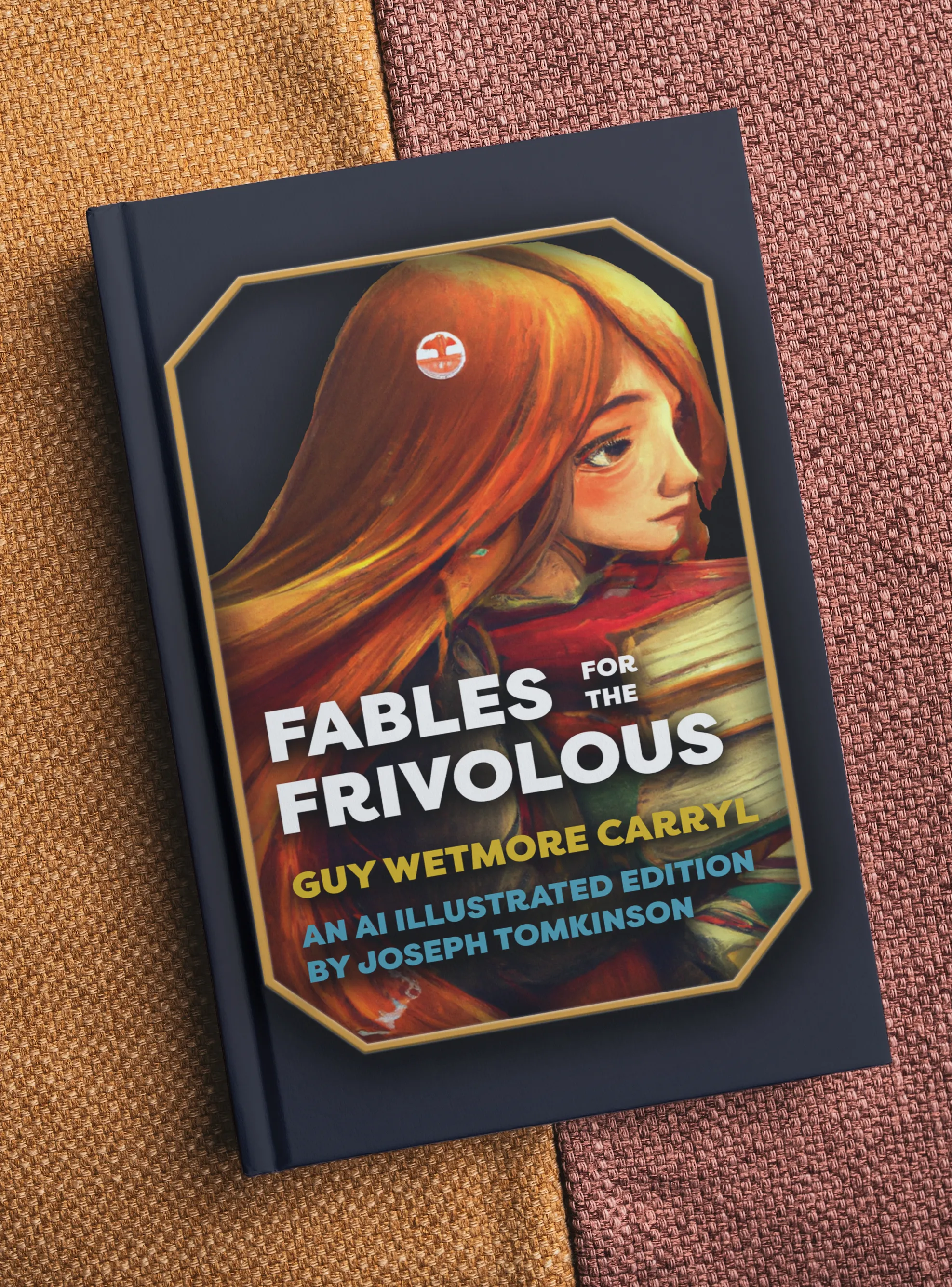
I’m excited to share something a bit different today – the release of a modernised collection of Fables for the Frivolous, originally published in 1898. This project represents an intersection of two of my interests: classic literature and the creative potential of AI-generated imagery.
The original artwork by illustrator Peter Newell has been reimagined using modern AI tools, offering a fresh visual perspective on Guy Wetmore Carryl’s wonderfully witty adaptations of Jean de La Fontaine’s timeless fables.
The History Behind the Fables
Jean de La Fontaine, a French poet from the 17th century, is renowned for his Aesop-style fables written in verse. His works have endured for centuries, offering moral lessons wrapped in entertaining narratives about animals and their all-too-human foibles.
Two centuries later, American humorist Guy Wetmore Carryl reimagined these fables with his unique touch of humour and wit. The result was Fables for the Frivolous – a collection that maintains the moral core of La Fontaine’s work whilst adding a distinctly playful, late-Victorian American sensibility.
Some of the more celebrated fables from this collection include:
- The Persevering Tortoise and the Pretentious Hare – a fresh take on the classic race
- The Arrogant Frog and the Superior Bull – hubris meets its inevitable end
- The Sycophantic Fox and the Gullible Raven – flattery as a tool of deception
The AI-Assisted Approach
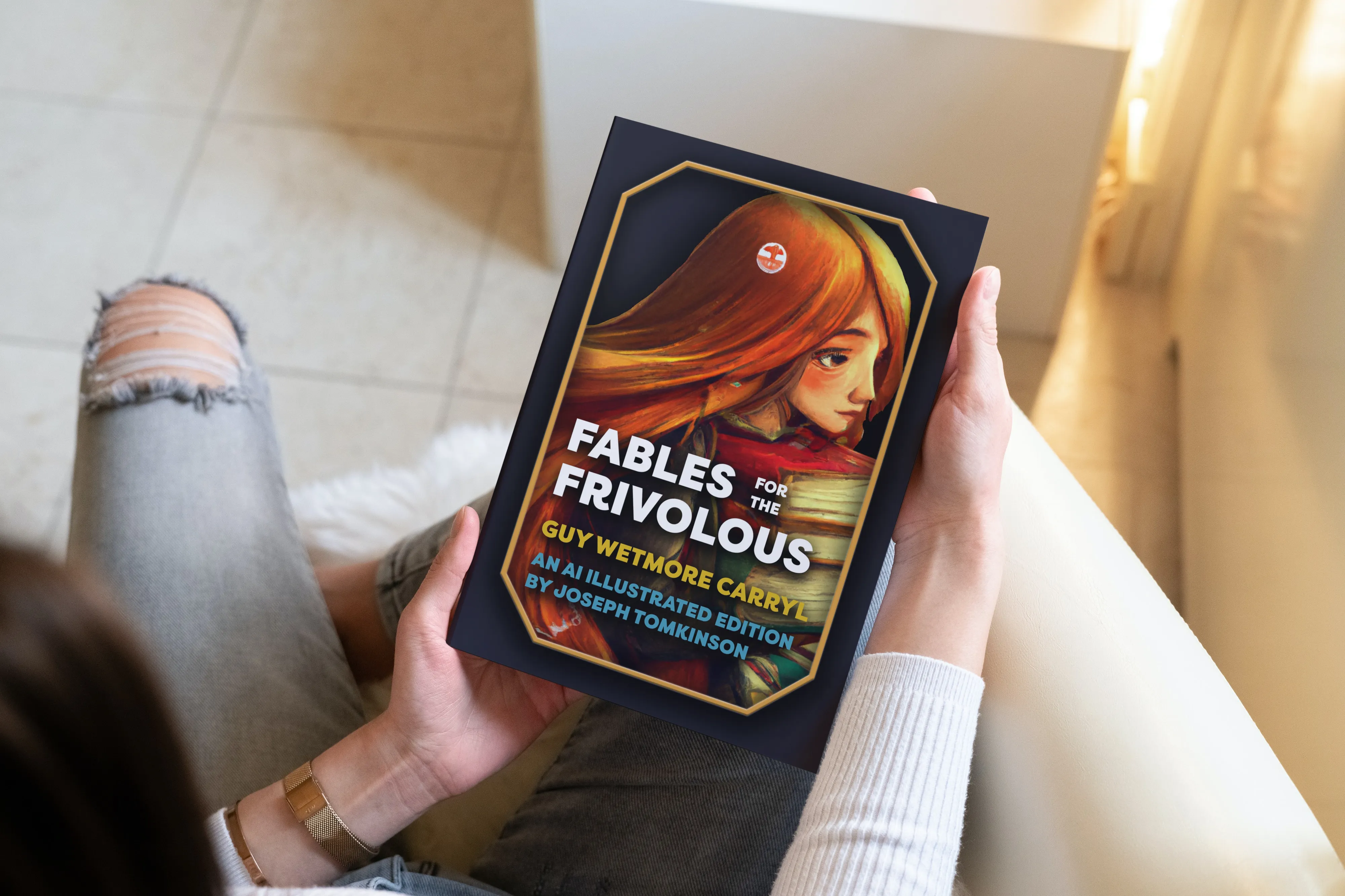
For this project, I’ve replaced the original period illustrations with artwork generated by modern AI tools. The goal wasn’t to replicate Newell’s style, but rather to present an interesting and somewhat stark modern interpretation of the stories through imagery.
It’s a fascinating juxtaposition – the formality of 19th-century verse paired with the sometimes surreal, always distinctive aesthetic of AI-generated art. The contrast between old and new creates something that feels both nostalgic and forward-looking.
This release is part of a broader exploration into modernising public domain books from the 19th and 20th centuries. Each title presents an opportunity to experiment with how AI tools can complement (rather than replace) human creativity in publishing.
Looking Forward
This project sits at an interesting crossroads between preservation and innovation. The text remains as Carryl wrote it over a century ago, but the visual language has been transformed entirely.
I’ll be sharing more about the techniques and tools used in these re-illustration projects in future posts. If you’re interested in the intersection of classic literature and modern technology, stay tuned for more updates.

